

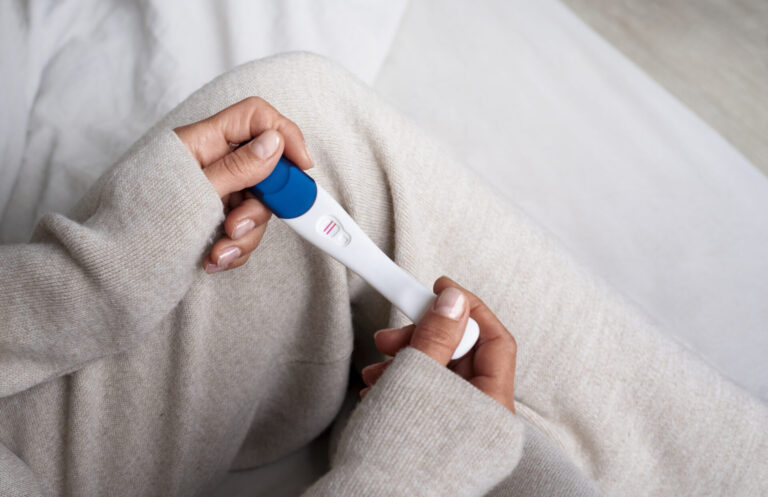
Birth Control for Women: Do You Really Need It? Understanding the Basics
Birth control is often discussed only in terms of pregnancy prevention, but in clinical care it is understood as a broader health management choice. According to the Centers for Disease Control and Prevention (CDC), contraception plays a central role in reproductive health planning and medical decision-making. For many women, birth control affects physical health, emotional stability, and long-term life planning. :contentReference[oaicite:0]{index=0}
- What does birth control mean?
- Why is birth control important for women?
- How should birth control be viewed?
- Birth control and hormonal health
- Life planning and reproductive choice
- What to know before choosing a method
What does birth control mean for women?
Birth control refers to medical or behavioral methods used to prevent pregnancy during times when pregnancy is not desired. According to the CDC, contraception is considered part of routine reproductive healthcare because it allows women to understand and manage fertility based on their menstrual cycle, ovulation, and overall health. Beyond pregnancy prevention, it supports informed, voluntary health decisions.
Why is birth control considered important in women’s health?
| Health Aspect | Meaning |
|---|---|
| Unplanned pregnancy prevention | Reduces physical and psychological strain associated with unintended pregnancy. |
| Reproductive health protection | Helps limit repeated pregnancies or procedures that may burden the body over time. |
| Life planning | Supports education, career, relationships, and pregnancy timing by choice. |
What perspective should women have before choosing birth control?
Before selecting a method, it is important to understand that no form of birth control is completely fail-proof and that effectiveness depends on correct and consistent use. Individual factors such as age, hormone sensitivity, medical history, and daily routine all influence suitability. As emphasized by ACOG, birth control should be viewed as a shared responsibility and a personalized health decision, not a one-size-fits-all solution.
How does birth control relate to the body and hormones?
Birth control decisions are closely connected to a woman’s hormonal system and menstrual cycle. Hormones such as estrogen and progesterone regulate ovulation, the uterine lining, and cycle timing. According to the Mayo Clinic, some contraceptive methods interact with these natural processes, meaning individual physical responses should always be considered.
- Hormonal balance: Certain methods influence ovulation or cycle regularity.
- Menstrual changes: Flow, timing, or symptoms may shift depending on the method.
- Individual response: Effects vary based on health history and sensitivity.
How does birth control support life planning and personal choice?
| Life Area | Role of Birth Control |
|---|---|
| Education & career | Allows planning without unexpected interruptions related to pregnancy. |
| Relationships | Encourages shared responsibility and open communication with partners. |
| Pregnancy timing | Supports choosing pregnancy when physically and emotionally prepared. |
What should you know before learning about specific methods?
Before comparing specific birth control options, it is essential to understand that every method has advantages and limitations. Effectiveness can vary based on correct use, lifestyle, and health conditions. The FDA emphasizes that informed choice, rather than popularity, is the foundation of effective contraception. Discussing options with a healthcare provider can help align choices with personal health needs.
Frequently Asked Questions
Is birth control something all women must use?
Birth control is not a medical obligation but a personal choice. According to the American College of Obstetricians and Gynecologists (ACOG), the key factor is understanding pregnancy risk and making an informed decision based on health status, goals, and timing rather than pressure or expectation.
Does using birth control always harm a woman’s body?
Not all birth control methods negatively affect the body. The Mayo Clinic explains that responses vary depending on the method and individual hormone sensitivity. Some women notice temporary changes, while others experience minimal effects. Consulting a healthcare provider helps assess personal risk.
Can birth control cause long-term fertility problems?
Most contraceptive methods are designed to be reversible. According to the CDC, fertility typically returns after discontinuing birth control, although timing may vary by method. Birth control itself is not considered a cause of permanent infertility.
Is birth control solely a woman’s responsibility?
Birth control should not be viewed as the responsibility of women alone. ACOG emphasizes that contraception is most effective and emotionally sustainable when partners share responsibility, communicate openly, and participate in decision-making together.
What is the most important factor when choosing a birth control method?
The most important factor is individual fit. Health history, lifestyle, tolerance for hormones, and ability to use a method consistently all matter. The FDA highlights that effectiveness depends not only on the method itself but also on correct and consistent use.
Why is accurate information about birth control so important?
Misinformation can lead to unnecessary anxiety or poor choices. Because contraception affects reproductive health and life planning, relying on evidence-based sources such as the CDC, FDA, and major medical institutions supports safer, more confident decision-making.
Key Takeaways
- Birth control is a choice: It is not an obligation but a voluntary health decision based on individual circumstances.
- Health management role: Contraception supports reproductive health planning beyond pregnancy prevention.
- Individual fit matters: Effectiveness and comfort vary depending on health history and lifestyle.
- Shared responsibility: Involving partners can reduce emotional and practical burden.
Conclusion
Birth control should be understood as a tool that supports informed decision-making, not as a one-size-fits-all requirement. It allows women to align reproductive choices with their health, personal goals, and life timing. Because each body responds differently, choosing whether and how to use birth control is most effective when grounded in accurate information and professional guidance. Open discussion with a healthcare provider can help clarify options and expectations. When approached thoughtfully, birth control can contribute to stability, autonomy, and long-term well-being rather than uncertainty or pressure.
References
- Centers for Disease Control and Prevention. (2024). Contraception. Link
- American College of Obstetricians and Gynecologists. (2023). Birth Control. Link
- U.S. Food and Drug Administration. (2024). Birth Control Methods. Link
- Mayo Clinic. (2024). Birth control options. Link
Medical Disclaimer
This article is for informational purposes only and does not constitute medical advice. Always seek advice from your physician or a qualified health provider regarding contraception or reproductive health. Individual responses to birth control may vary. If you believe you have a medical emergency, call 911 immediately.
Last updated: January 31, 2026
Read More Learn More About Birth Control Options
Looking for a clear, side-by-side comparison of birth control methods?
This guide breaks down effectiveness, pros, cons, and key differences to help you choose.

Image credit: Freepik